Across the African continent, a quiet shift is reshaping how young people learn, and build careers. For decades, the traditional path was clear: graduate, find a formal job, and climb your way upward. But today, a different kind of workforce is emerging — one powered by creativity and digital tools.
Walk into any city – Lagos, Nairobi, Accra, Kigali- and you’ll find creators in studios, coworking hubs, homes, and community labs. They’re shooting films, building animation reels, editing documentaries, recording podcasts, designing apps, or turning simple ideas into content that influences entire communities.
This workforce isn’t waiting for permission.
It’s creating opportunity.
1. Skills Are Becoming the New Currency
Degrees still matter- but creative work demands something more immediate: skill.
Young Africans are learning editing, scripting, production, design, and storytelling through hands-on experience, online courses, and collaborative spaces.
They’re not defined by what they studied.
They’re defined by what they can do.
And that shift is opening doors to industries that didn’t exist a decade ago.
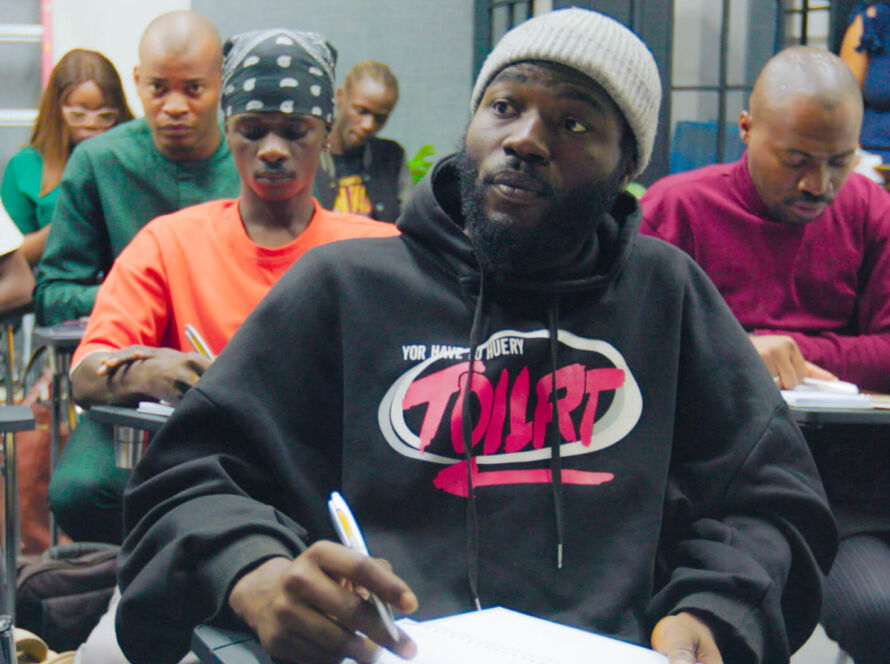
2. Studios Are the New Classrooms
Traditional institutions often struggle to keep up with the changing creative landscape. That’s where creative hubs fill the gap.
A studio isn’t just equipment and walls.
It’s access- to tools, mentors, networks, and real production environments.
Inside these spaces, creators don’t just learn theory; they practice craft. They experiment. They build portfolios. They learn how to collaborate. They prepare for industries moving faster than curriculums.
At Mswitch Creative Hub, we see this every day. A simple session in the studio can shift someone from “I think I can create” to “I know how to make this happen.”
3. Storytelling Is Now a Core Professional Skill
Across media, policy, technology, and business, a single truth keeps surfacing:
If you cannot tell your story, you cannot scale your impact.
Storytelling sits at the center of everything- brand building, advocacy, community engagement, creative entrepreneurship, and even fundraising. It’s the skill that helps creators express value in a way people can understand, feel, and act upon.
This is why programs like StoryXLab exist: to help creators shape the meaning behind their work, not just the visuals.
4. Collaboration Is Becoming a Growth Engine
African creators are building communities around shared purpose. One editor meets a director. A podcaster collaborates with a sound designer. A writer connects with a filmmaker.
Each partnership multiplies what one person could do alone.
Hubs provide fertile ground for these collisions to happen- safely and consistently.
5. The Future Belongs to ThoseWho Build, Not Wait
Africa’s creative economy isn’t built on theory or predictions.
It’s built on creators who show up daily- to learn, to produce, to refine their work.
The world is already paying attention. But the continent’s strongest growth will come from the creators who understand that craft, consistency, and community are their greatest assets.
And as this new workforce rises, creative hubs like ours will continue to play one essential role:
Providing the space, structure, and support that help ideas become work- and work become careers.