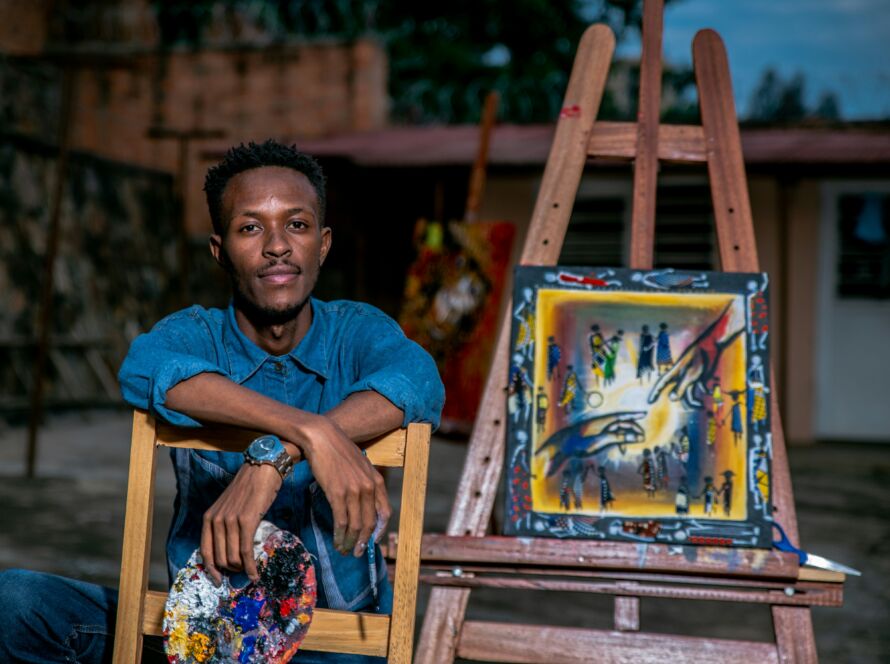
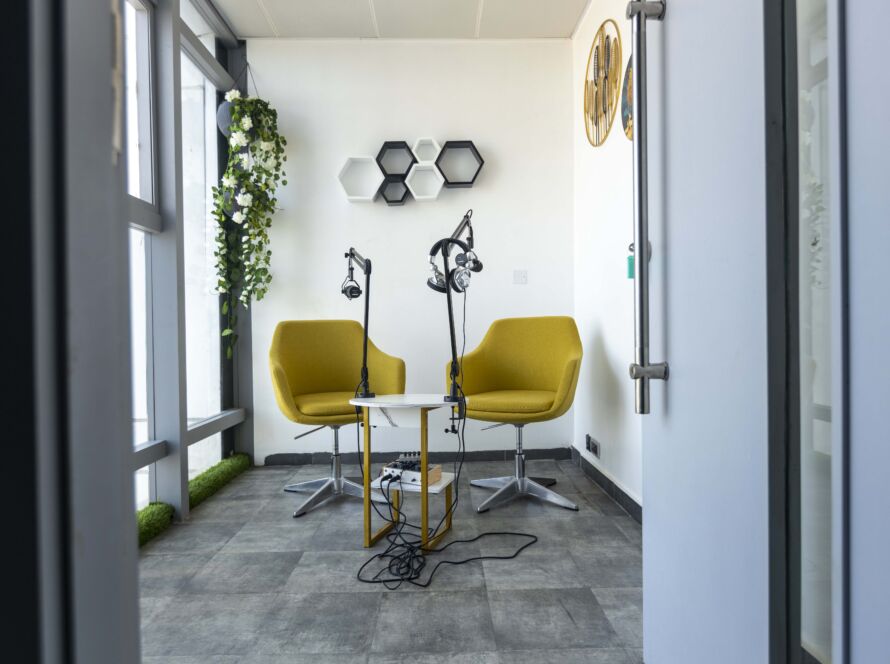
When we talk about unlocking Africa’s creative economy, we talk about talent. We talk about digital access. We talk about funding. But there’s a conversation we’re not having loudly enough — and it’s costing us.
We’re not talking about the infrastructure gap that specifically shuts women out.
The Numbers Tell a Partial Story
Women make up a significant portion of Nigeria’s creative workforce — in fashion, content creation, photography, writing, music, and design. Yet they remain dramatically underrepresented at the professional and commercial tier of the industry.
This isn’t a pipeline problem. Women are in the pipeline. The pipeline just wasn’t built with them in mind.
Consider what “access to creative infrastructure” actually demands of a young woman in Abuja or Lagos: commuting to unfamiliar locations after dark, entering spaces where she is often the only woman, navigating environments where professionalism is defined on terms that weren’t designed for her. The cost of participation — financially, physically, socially — is simply higher.
When infrastructure is inaccessible, women don’t opt out. They get priced out.
What Safe Infrastructure Actually Means
“Safe” is not just about physical security, though that matters. Safe creative infrastructure means:
- Environments designed for inclusion — where women don’t have to shrink to be taken seriously
- Mentorship that reflects her reality — including navigating the industry as a woman, managing clients, building authority
- Scheduling and access flexibility — because many young women carry caregiving responsibilities that rigid 9–5 structures don’t accommodate
- A community that amplifies, not diminishes — where collaboration is the default, not competition
When these conditions exist, something shifts. Women don’t just participate — they lead.
The ROI of Getting This Right
For investors and development partners, the case is not just moral. It is economic.
The World Bank estimates that closing gender gaps in labor force participation could add up to $28 trillion to global GDP. In Africa’s creative economy specifically, women-led creative businesses have shown strong multiplier effects — reinvesting earnings into households, communities, and other small businesses at higher rates than their male counterparts.
Investing in gender-intentional creative infrastructure is not a charity play. It is a high-leverage, high-return intervention in one of the continent’s fastest-growing sectors.
How MSwitch Creative Hub Is Built Differently
At MSwitch Creative Hub, gender equity is not a programme we run on International Women’s Day. It is an operating principle baked into how we design space, structure training, and build community.
Our masterclass cohorts are intentionally designed to bring women into professional creative environments, many for the first time with the support structures that make participation sustainable. Our BPO pathways prioritise economic independence. Our community programming creates the peer networks that research consistently shows are critical for women’s professional advancement.
Since our first cohort, women have represented a core segment of our trainees; and their outcomes are among our strongest.
The Opportunity in Front of Us
Nigeria’s creative economy is at an inflection point. The infrastructure decisions made in the next five years will determine who gets to participate in the growth, and who gets left out again.
For development partners aligned with SDG 5 (Gender Equality) and SDG 8 (Decent Work and Economic Growth), MSwitch Creative Hub represents a direct, measurable intervention. Not a theory of change — a functioning model, with real cohorts, real outcomes, and a clear pathway to scale.
The talent is here. The will is here. What we need now is the infrastructure investment to match.
If your organisation is working at the intersection of gender equity, youth development, and Africa’s creative economy — we’d like to talk.